When discussing hydration, water bottles and sports drinks often dominate the conversation, yet nature provides some of the most effective and nutrient-rich sources of hydration through common fruits and vegetables. Among these, cucumber, watermelon, and lettuce stand out not merely for their high water content but for their overall contribution to fluid balance, electrolyte provision, and nutritional support. This report delves into the hydration efficacy of these three foods, examining how their composition makes them superior choices for maintaining hydration, especially in contexts where plain water might fall short.
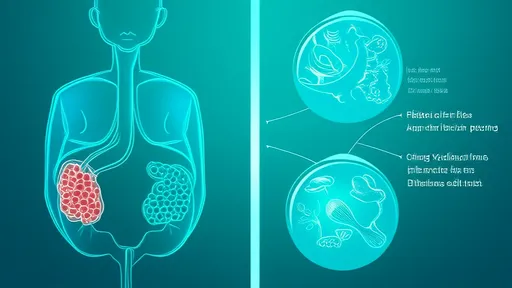
The human body relies on adequate hydration for virtually every physiological process, from temperature regulation and joint lubrication to nutrient transport and cognitive function. While drinking water is fundamental, consuming water-rich foods offers a synergistic advantage. These foods provide water in a matrix of fiber, vitamins, minerals, and antioxidants, which can enhance water absorption and retention in the body. This is particularly valuable during periods of increased fluid loss, such as in hot weather or after physical exertion. Therefore, evaluating foods based on their hydration supply efficacy—a measure that considers not just water content but also the presence of electrolytes and other compounds that aid hydration—becomes crucial.
Topping the list of hydrating foods is the cucumber, a staple in salads and spa water alike. Comprising approximately 96% water, cucumber is arguably one of the most water-dense foods commonly consumed. But its value extends beyond this impressive figure. The high water volume is packaged with a subtle blend of electrolytes, including potassium, magnesium, and a small amount of sodium. These electrolytes are essential for facilitating the movement of water into cells and maintaining fluid balance, preventing the diluted electrolyte state that can sometimes result from consuming large amounts of plain water alone.
Furthermore, the skin and flesh of cucumbers provide a good amount of soluble fiber. This fiber slows down the digestion and absorption of the water and nutrients, creating a more sustained release of hydration into the system rather than a rapid flush-through. This makes cucumber an excellent choice for prolonged hydration, helping to stave off thirst and maintain fluid levels over time. The presence of silica and antioxidants like vitamin C and beta-carotene also supports skin health, which is intrinsically linked to good hydration. Incorporating cucumber into one's diet, whether through salads, chilled soups, or simply as a snack, is a highly efficient strategy for boosting daily water intake.
Watermelon, living up to its name, is another hydration powerhouse with a water content hovering around 92%. Its sweet, juicy flesh makes it a favorite summer fruit, but its benefits are far from superficial. Watermelon is distinguished by its rich content of L-citrulline, an amino acid that the body converts to L-arginine, which in turn can help improve blood flow and may aid in the efficiency of nutrient and water delivery to tissues. This unique property enhances its hydration efficacy, as better circulation supports optimal fluid distribution throughout the body.
Critically, watermelon is also a notable source of lycopene, a powerful antioxidant that gives the fruit its vibrant red color. While lycopene is celebrated for its role in reducing oxidative stress, it also supports cellular health, including the cells responsible for water retention. Additionally, watermelon provides a significant dose of vitamin C, vitamin A, and electrolytes like potassium. The natural sugars in watermelon, primarily fructose, offer a minor energy boost, which can be particularly refreshing and revitalizing during dehydration that accompanies fatigue. Thus, watermelon acts as a multifunctional hydrator, replenishing fluids, electrolytes, and energy simultaneously.
Lettuce, particularly varieties like romaine and iceberg, is often overlooked in hydration discussions despite its impressive water content, which can exceed 95% in types like iceberg. Its crisp texture is a direct testament to its high water volume. While it may not seem as exciting as juicy fruits, lettuce is a foundational hydrating food, especially for those who consume large salads as part of their meals. The hydration from lettuce is delivered alongside a substantial intake of dietary fiber, which promotes gut health and, as with cucumber, ensures a slower, more sustained absorption of water.
Moreover, darker varieties like romaine lettuce are rich in vitamin K, vitamin A (in the form of beta-carotene), and folate. Vitamin A is crucial for maintaining mucosal surfaces, including those in the mouth and digestive tract, which play a role in hydration sensing and fluid balance. The mineral content, including manganese and iron, though in modest amounts, contributes to overall metabolic processes that utilize water. Eating lettuce raw, as is most common, preserves its water content and makes it an effortless way to increase fluid intake without adding significant calories, making it ideal for weight management alongside hydration.
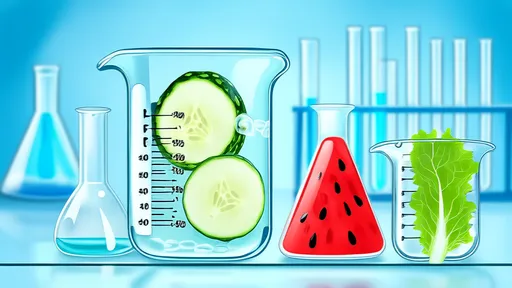
When comparing the three, it becomes clear that while all are exceptional, their hydration supply efficacy is nuanced. Cucumber leads in sheer water percentage and provides a solid electrolyte profile for direct fluid balance support. Watermelon, with slightly less water, offers unique compounds like L-citrulline and lycopene that enhance the functional delivery and antioxidant protection of its water content. Lettuce, often the highest in water depending on the variety, serves as a low-calorie, high-volume vehicle for hydration that is easily incorporated into daily meals. The choice between them need not be exclusive; each can play a complementary role in a hydration-focused diet.
In practical terms, leveraging these foods for hydration can be simple and enjoyable. For instance, starting the day with a smoothie that includes cucumber and lettuce can provide a sustained hydration base. Snacking on watermelon post-exercise can replenish fluids and electrolytes while offering a sweet treat. Including a large salad with meals ensures a steady influx of water throughout the day. For individuals struggling to drink enough water, such as the elderly or those with certain medical conditions, these foods can be a vital alternative source of fluids.
In conclusion, while drinking water remains indispensable, cucumbers, watermelons, and lettuces represent a category of foods with high hydration supply efficacy. They deliver water in a bioavailable matrix enriched with electrolytes, fiber, vitamins, and antioxidants that promote not only fluid intake but also improved absorption and retention. Making these foods a regular part of one's diet is a holistic and natural strategy for maintaining optimal hydration, supporting overall health, and enjoying the delicious bounty nature provides.
By /Aug 29, 2025
By /Aug 29, 2025

By /Aug 29, 2025
By /Aug 29, 2025

By /Aug 29, 2025
By /Aug 29, 2025
By /Aug 29, 2025

By /Aug 29, 2025

By /Aug 29, 2025
By /Aug 29, 2025

By /Aug 29, 2025

By /Aug 29, 2025

By /Aug 29, 2025
By /Aug 29, 2025

By /Aug 29, 2025

By /Aug 29, 2025

By /Aug 29, 2025
By /Aug 29, 2025

By /Aug 29, 2025
By /Aug 29, 2025