For home cooks venturing into the art of dry aging, the journey begins and often falters at the door of the humble kitchen refrigerator. Unlike their commercial counterparts, these appliances are engineered for food preservation, not the delicate, transformative process of aging meat. The core challenge lies in managing the volatile environment within. Temperature and humidity swings, the arch-nemeses of dry aging, are not just common in a standard fridge; they are a fundamental part of its normal operation. Successfully navigating this requires a blend of modern technology, simple hacks, and a deep understanding of the environment you are trying to create and protect.
The primary goal of dry aging is the controlled, gradual dehydration of the meat. This concentration of flavors and the enzymatic breakdown of connective tissues are what create the legendary tenderness and complex, nutty, umami-rich profile of a perfectly aged steak. This process demands a steadfast climate: a temperature held tightly between 34°F and 38°F (1°C and 3°C) and a relative humidity level maintained between 70% and 80%. Straying outside these parameters invites trouble. Higher temperatures accelerate bacterial growth and spoilage, while lower temperatures halt the enzymatic activity crucial for tenderization. High humidity fosters mold growth—sometimes good, often bad—while low humidity causes the exterior to desiccate too rapidly, forming an impenetrably hard crust that traps moisture inside, leading to spoilage.
A standard kitchen refrigerator is a hostile environment for these needs. Its design is its greatest flaw for an aspiring dry-ager. The defrost cycle is a periodic cataclysm. To prevent frost buildup, the compressor kicks on, cooling the air and simultaneously introducing dry, heated air to melt any ice. This causes wild, rhythmic spikes and drops in both temperature and humidity. Furthermore, every time the door is opened to grab milk or eggs, a surge of warm, moist room air floods the chamber, destabilizing the delicate microclimate you are trying to nurture around your precious primal cut. Relying on the fridge's built-in thermostat is a recipe for failure, as it measures air temperature in one specific location, giving no insight into the conditions directly surrounding the meat or the dramatic fluctuations occurring throughout the day.
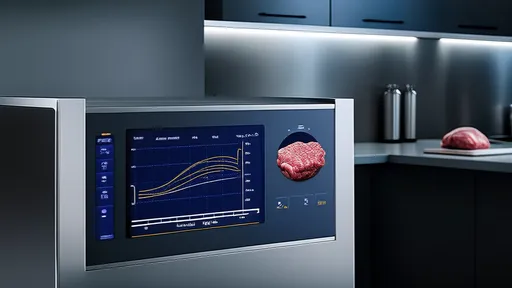
The first and most non-negotiable step in reclaiming control is vigilant monitoring. You cannot manage what you do not measure. Investing in a high-quality dual-probe digital thermometer and hygrometer is paramount. This device provides real-time, precise readings of both temperature and humidity. The strategic placement of the sensors is critical. One probe should be positioned to measure the ambient air of the fridge, while the other should be placed directly near or, if possible, touching the surface of the aging meat. This provides the most accurate picture of the actual environment the meat is experiencing. Modern Bluetooth or Wi-Fi enabled models are a game-changer, allowing for continuous tracking and smartphone alerts if conditions drift outside your preset parameters, enabling immediate intervention.
Armed with accurate data, you can begin to engineer stability. Several low-tech solutions can dramatically smooth out the erratic behavior of a consumer fridge. The principle of thermal mass is your best friend. Placing several jugs of water on the shelves helps immensely. Water has a high specific heat capacity, meaning it absorbs and releases heat energy very slowly. These jugs act as buffers, absorbing excess cold during compressor cycles and releasing gentle warmth when the cycle ends, effectively damping the temperature swings. For humidity, the water jugs serve a dual purpose by passively evaporating and raising the moisture level in the dry fridge air. For more precise humidity control, a small pan of salt-saturated water can be used. The salt solution naturally maintains a specific humidity level (approximately 75% RH) through equilibrium, acting as a passive humidistat.
Creating a dedicated microclimate within the larger fridge environment is the next level of control. Simply placing an unwrapped cut on a rack is insufficient. The best practice is to use a dedicated aging chamber. This can be a purpose-built dry aging bag, which is a breathable membrane that allows moisture to escape while protecting the meat from airborne contaminants and fridge odors. Alternatively, a small, modified mini-fridge dedicated solely to aging is the ultimate home solution. For those using the main kitchen fridge, a well-ventilated container—like a perforated food-grade plastic tub or a wire-mesh container—placed on the bottom shelf (the coldest and most stable zone) can shield the meat from the worst of the air currents and door-opening events, creating a more consistent local environment.
Even with all these measures in place, the data from your sensors will guide your daily maintenance. If humidity consistently reads low, you may need to add a larger pan of water or adjust the salt solution. If temperature spikes are frequent, consider reducing the frequency of door openings or adding more thermal mass. The meat itself will also provide feedback. The pellicle—the dark, hardened outer crust—should form evenly and feel dry to the touch. If it feels tacky or smells unpleasantly sour or ammoniacal, it is a clear sign that the humidity is too high or the temperature is too warm, and immediate corrective action is needed. This hands-on, observant approach is what separates a successful home dry-aging project from a costly failure.
Mastering the dry aging process in a standard refrigerator is an exercise in environmental control. It transforms a passive appliance into an active aging chamber through knowledge, technology, and ingenuity. It requires the cook to become an amateur climate scientist, constantly interpreting data and adjusting their system. While the challenges presented by temperature and humidity fluctuations are significant, they are not insurmountable. By implementing a rigorous monitoring regimen and employing simple, effective stabilization techniques, any dedicated enthusiast can harness the unpredictable nature of their home fridge. The reward for this diligence is unparalleled: the profound satisfaction of slicing into a beautifully aged, intensely flavorful steak that you shepherded from raw primal to culinary masterpiece, all within the confines of your own kitchen.

By /Aug 29, 2025

By /Aug 29, 2025

By /Aug 29, 2025
By /Aug 29, 2025

By /Aug 29, 2025

By /Aug 29, 2025

By /Aug 29, 2025

By /Aug 29, 2025

By /Aug 29, 2025

By /Aug 29, 2025

By /Aug 29, 2025

By /Aug 29, 2025

By /Aug 29, 2025
By /Aug 29, 2025
By /Aug 29, 2025

By /Aug 29, 2025

By /Aug 29, 2025

By /Aug 29, 2025

By /Aug 29, 2025

By /Aug 29, 2025