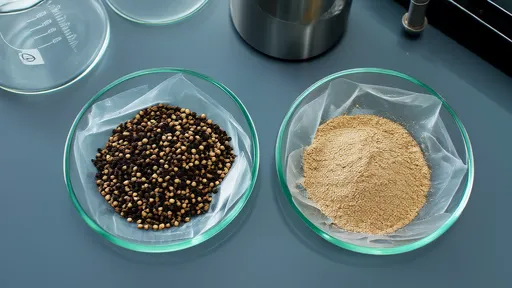
In the world of culinary arts and food science, the preservation of volatile aromatic compounds in spices remains a topic of both practical importance and scientific intrigue. The debate between using whole spices and their pre-ground counterparts has persisted for generations among chefs, home cooks, and food manufacturers alike. While convenience often drives the preference for pre-ground spices, a deeper understanding of how flavor compounds degrade over time reveals why many professionals insist on grinding spices immediately before use.
The chemistry behind spice volatilization is both complex and fascinating. Spices contain essential oils and aromatic compounds that are highly susceptible to oxidation, evaporation, and chemical degradation. When spices remain whole, their natural structure acts as a protective barrier, sealing these precious compounds within cellular structures. The moment spices are ground, this protective barrier is broken, exposing a dramatically increased surface area to oxygen, light, and moisture—all of which accelerate the loss of flavor and aroma.
Research into flavor degradation curves has demonstrated that the difference between whole and pre-ground spices isn't merely a matter of intensity but of complexity. Whole spices, when freshly ground, release a full spectrum of aromatic compounds that create a layered and nuanced flavor profile. Pre-ground spices, even when stored under ideal conditions, begin losing their most volatile top notes within hours of grinding. What remains after several weeks is often a flattened, one-dimensional version of the original spice, with the more stable base notes dominating while the delicate high notes vanish entirely.
The rate of flavor decay follows a predictable but steep curve. Studies measuring specific marker compounds in various spices have shown that ground black pepper can lose up to 30% of its piperine content within the first week after grinding. Similarly, cinnamon's cinnamaldehyde levels drop significantly within days once the spice is ground. The degradation isn't linear—the most dramatic losses occur in the first 24-48 hours, after which the curve gradually flattens, but the damage to the flavor profile is already done.
Environmental factors play a crucial role in accelerating or slowing this degradation process. Oxygen is public enemy number one when it comes to spice preservation, as oxidation reactions break down delicate aromatic compounds. Light, particularly ultraviolet light, acts as a catalyst for these degradation reactions. Humidity introduces moisture that can lead to caking and mold growth while also facilitating the breakdown of compounds. Temperature increases molecular movement, speeding up all chemical reactions, including those that destroy flavor.
Despite these challenges, the food industry continues to rely heavily on pre-ground spices for reasons of consistency and convenience. Modern spice processors have developed sophisticated packaging solutions to mitigate flavor loss. Nitrogen flushing, which replaces oxygen in spice containers, has become standard practice among quality spice brands. UV-protected containers, moisture barriers, and cool storage conditions all help extend the shelf life of ground spices. However, even with these advanced technologies, pre-ground spices cannot match the vibrancy of freshly ground.
The difference becomes particularly noticeable in dishes where spices play a starring role. In Indian curries, Mexican moles, or Moroccan tagines, the complexity of the spice blend is fundamental to the dish's character. Professional chefs have long understood that toasting whole spices and grinding them immediately before use unlocks depths of flavor that pre-ground blends simply cannot provide. The heat from toasting not only enhances the spices' aromatic qualities but also drives off moisture that might otherwise hinder the grinding process.
Home cooks often face the practical dilemma of convenience versus quality. While purchasing whole spices and grinding them as needed undoubtedly produces superior results, the time and equipment required can be prohibitive for everyday cooking. A reasonable compromise involves buying smaller quantities of pre-ground spices and storing them properly—in airtight containers away from heat and light. For spices that form the foundation of a dish, however, maintaining a small stock of whole spices and a simple grinder can transform ordinary meals into extraordinary culinary experiences.
Scientific comparisons of flavor compound retention tell a compelling story. Gas chromatography studies have quantified what experienced cooks have known intuitively: whole cumin seeds retain over 90% of their cuminaldehyde content after six months of proper storage, while ground cumin loses nearly 40% of the same compound in just one month. Similar patterns emerge across the spice spectrum, from the thymol in oregano to the capsaicin in chilies. The protective power of the whole form cannot be overstated.
Beyond chemical degradation, pre-ground spices face another often-overlooked issue: adulteration. The spice industry has historically struggled with contamination issues, where ground spices may be cut with fillers, artificial colors, or lower-quality materials. Purchasing whole spices provides a layer of protection against such practices, as the integrity of the whole form is more difficult to falsify. Consumers can visually inspect whole spices for quality markers that become invisible once ground.
The economic considerations also favor whole spices in the long run. While the initial investment might be higher, whole spices maintain their potency for years rather than months, making them more cost-effective for those who use spices infrequently. A whole nutmeg can last indefinitely, while pre-ground nutmeg begins losing its distinctive aroma almost immediately. For restaurants and serious home cooks, this extended shelf life reduces waste and ensures consistent quality across preparations.
Modern grinding technology has made the process of preparing spices more accessible than ever. Electric grinders specifically designed for spices have become affordable and efficient, while traditional mortar and pestle setups continue to offer control and tradition. The act of grinding spices immediately before use connects cooks to ancient culinary practices while delivering unmistakable flavor benefits that modern processing cannot replicate.
As consumers become more educated about food quality and flavor, the preference for whole spices continues to grow. Specialty food stores now offer extensive selections of whole spices, and many online retailers provide exceptional quality with detailed information about origin and harvest date. This transparency allows cooks to make informed decisions about their ingredients, recognizing that the journey from whole spice to ground preparation significantly impacts the final culinary result.
The conversation around whole versus pre-ground spices ultimately comes down to a balance between convenience and quality. For applications where subtlety matters less—such as in spice rubs that will be cooked for extended periods or in baked goods where spices play a supporting role—pre-ground varieties may suffice. But for dishes where the spice is meant to shine, where its aromatic qualities should dance on the palate, nothing compares to the vibrant complexity of spices ground moments before they meet heat and other ingredients.
Understanding the science behind flavor volatility empowers cooks at all levels to make better decisions in the kitchen. By respecting the fragile nature of aromatic compounds and taking simple steps to preserve them, we honor the ingredients themselves and elevate our cooking from mere nourishment to true culinary art. The difference between a good dish and a memorable one often lies in these details—in the choice to grind whole spices and capture their essence at its peak.

By /Aug 29, 2025
By /Aug 29, 2025
By /Aug 29, 2025
By /Aug 29, 2025

By /Aug 29, 2025

By /Aug 29, 2025
By /Aug 29, 2025

By /Aug 29, 2025

By /Aug 29, 2025
By /Aug 29, 2025
By /Aug 29, 2025
By /Aug 29, 2025

By /Aug 29, 2025
By /Aug 29, 2025

By /Aug 29, 2025
By /Aug 29, 2025

By /Aug 29, 2025

By /Aug 29, 2025

By /Aug 29, 2025

By /Aug 29, 2025