The lingering bitterness of steviol glycosides remains one of the most significant challenges in the sweetener industry, a paradoxical aftertaste that shadows its natural, zero-calorie appeal. For food scientists and product developers, this bitter residue is not merely a minor inconvenience; it is a formidable barrier to consumer acceptance and market success. The quest to understand and mask this bitterness has evolved into a sophisticated scientific and commercial endeavor, driving innovation in both analytical chemistry and flavor technology.
Steviol glycosides, extracted from the leaves of the Stevia rebaudiana plant, are prized for their intense sweetness, often hundreds of times sweeter than sucrose. However, this sweetness is frequently accompanied by a bitter, licorice-like aftertaste, particularly noticeable in higher concentrations or in certain food matrices. This undesirable characteristic is primarily attributed to the activation of bitter taste receptors (TAS2Rs) on the human tongue. Specific glycosides, such as stevioside, have a higher affinity for these bitter receptors compared to their more desirable counterparts like Rebaudioside A (Reb A) or the even purer Reb M and Reb D. The human palate is remarkably sensitive to these compounds, perceiving the bitterness long after the initial sweet sensation has faded, creating a dissonant sensory experience that can deter repeated consumption.
The perception of this bitterness is not a simple on-off switch but a complex interplay of chemistry and biology. Factors such as concentration, pH levels, temperature, and the presence of other ingredients in a food or beverage can dramatically alter the intensity and duration of the bitter aftertaste. For instance, in acidic environments like soft drinks, the bitterness can be pronounced, while in dairy products, it might be somewhat muted yet still perceptible. This complexity means that a one-size-fits-all solution is impossible; masking strategies must be tailored to each specific application, a task that requires deep expertise and extensive sensory testing.
To combat this, a multi-faceted approach to bitterness masking has been developed, leveraging both ingredient technology and clever formulation. One of the most common and effective strategies is the use of flavor modulators and bitter blockers. These are compounds that interact with taste receptors or salivary proteins to physically prevent the bitter molecules from binding, effectively shutting down the bitter signal before it reaches the brain. Ingredients like adenosine monophosphate (AMP) and certain fractions of yeast extract are known for their efficacy in this role. They act as silent guardians on the tongue, allowing the clean, sweet notes of stevia to shine through without the unwanted bitter shadow.
Beyond chemical blockers, ingredient synergy plays a pivotal role. Combining stevia with other sweeteners, such as erythritol, allulose, or even small amounts of sugar, has proven highly successful. These blends do more than just dilute the stevia; they create a synergistic effect where the other ingredients help to round out the flavor profile, covering the sharp edges of the bitterness. Erythritol, a sugar alcohol, provides a cooling sensation and bulk that complements stevia's high-intensity sweetness, often resulting in a more sugar-like temporal profile where the sweetness arrives and departs without a bitter hitchhiker. This blending art is crucial for achieving the coveted "clean label" while maintaining a palatable product.
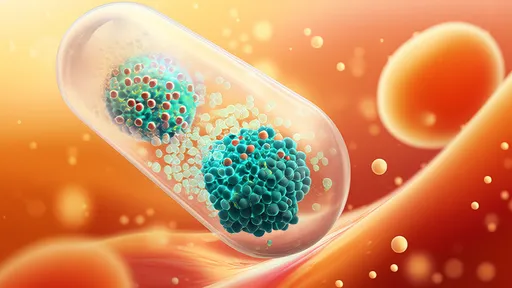
Another advanced technique involves the encapsulation of steviol glycosides. This technology involves coating the stevia molecules within another material, such as a modified starch or a gum. This coating can delay the release of the stevia in the mouth, controlling how and when it interacts with taste receptors. By timing the release to coincide with other ingredients or simply slowing it down, the stark contrast between rapid sweetness and slower-onset bitterness can be minimized, leading to a smoother overall taste experience. This method is particularly valuable in solid foods and chewing gums, where taste release occurs over a longer period.
The process of refining stevia extracts themselves has also seen tremendous advances. Early commercial stevia products were often crude extracts containing a high proportion of the more bitter glycosides. Modern purification technologies, including chromatography and enzymatic conversion, allow producers to isolate and concentrate the preferred, less-bitter molecules like Reb M and Reb D. These next-generation stevia ingredients, sometimes referred to as "best-taste" stevia, inherently possess a much cleaner taste profile with significantly reduced bitterness, thereby reducing the need for extensive masking. This represents a shift from fixing a problem to preventing it at the source.
Sensory science is the unsung hero in this battle against bitterness. Before any product reaches the market, it undergoes rigorous testing by trained sensory panels. These experts deconstruct the taste experience, quantifying the intensity, onset, and duration of both sweetness and bitterness. Their feedback is invaluable, providing the data needed to iteratively refine formulations. It is a painstaking process of trial and error, adjusting minuscule percentages of blockers, sweeteners, and acids until the perfect balance is achieved—a balance where the consumer experiences only the sweet satisfaction without any unpleasant aftertaste.
Looking forward, the future of stevia bitterness masking lies in continued innovation on all these fronts. Research into novel bitter blockers derived from natural sources is ongoing. The precision fermentation used to produce Reb M is becoming more efficient and cost-effective, promising greater availability of these superior glycosides. Furthermore, a deeper understanding of the genetics of taste perception may lead to even more targeted solutions. The goal is no longer just to mask but to truly transform the experience of stevia, solidifying its position not as a compromise for the health-conscious but as a preferred sweetener for all.
In conclusion, the journey to overcome the bitter aftertaste of stevia is a testament to the ingenuity of food science. It is a complex puzzle solved through a combination of purification, blending, encapsulation, and the strategic use of masking agents. This relentless pursuit of a clean taste has been fundamental to stevia's growing acceptance, enabling it to move from niche health stores to the forefront of global food and beverage innovation. The bitter note, once a major flaw, is now a challenge being met and mastered.
By /Aug 29, 2025
By /Aug 29, 2025

By /Aug 29, 2025
By /Aug 29, 2025
By /Aug 29, 2025
By /Aug 29, 2025
By /Aug 29, 2025

By /Aug 29, 2025

By /Aug 29, 2025

By /Aug 29, 2025
By /Aug 29, 2025

By /Aug 29, 2025

By /Aug 29, 2025
By /Aug 29, 2025

By /Aug 29, 2025

By /Aug 29, 2025

By /Aug 29, 2025

By /Aug 29, 2025

By /Aug 29, 2025

By /Aug 29, 2025