Probiotic Survival Challenge: Encapsulation Protection Technology in Gastric Acid Environment

Aug 29, 2025 By

The journey of probiotics from the manufacturing facility to the human gut is a perilous one, fraught with biological obstacles that threaten their viability and, consequently, their promised health benefits. The most formidable of these barriers is the highly acidic environment of the human stomach, a natural defense mechanism designed to break down ingested matter and neutralize pathogens. For live probiotic bacteria, this gastric passage is a gausting gauntlet where survival rates can plummet, rendering many products ineffective before they even reach their intended site of action in the intestines. This fundamental challenge has spurred a significant and sophisticated field of research dedicated to one critical objective: protecting these delicate microorganisms to ensure they arrive alive, active, and in sufficient numbers to confer a therapeutic effect.

The human stomach presents a hostile landscape for any foreign microbe. Gastric acid, primarily composed of hydrochloric acid, can drive the pH down to levels as low as 1.5 during fasting states. This intensely acidic environment is specifically engineered to denature proteins and destroy the cellular structures of ingested bacteria. For unprotected probiotic strains, exposure to this pH for even a short duration—often 60 to 90 minutes—can result in a catastrophic loss of viability, with mortality rates sometimes exceeding 90%. This harsh reality means that a consumer might be ingesting billions of colony-forming units (CFUs) on paper, but only a tiny fraction of those ever complete the journey to the lower gastrointestinal tract where they can colonize and exert their influence on the gut microbiota.

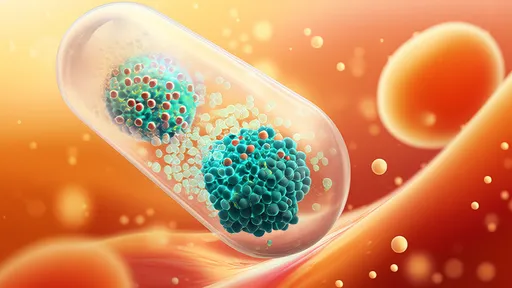
Recognizing this bioavailability crisis, scientists and food technologists have turned to advanced microencapsulation techniques as a potential solution. At its core, microencapsulation is a process of enveloping microscopic particles—in this case, live probiotic cells—within a protective coating or matrix. This technology, often borrowed from the pharmaceutical industry, aims to create a physical barrier between the sensitive bacterial cell and the aggressive external gastric environment. The concept is not merely to create a shell but to engineer a smart, responsive shield that can withstand stomach acid yet disintegrate or become permeable upon reaching the more neutral pH of the small intestine, thereby releasing its payload precisely where it is needed.

A variety of materials are employed to construct these microscopic fortresses, each with distinct properties and advantages. Biopolymer-based systems are among the most prevalent and are favored for their biocompatibility and generally recognized as safe (GRAS) status. Alginate, a natural polysaccharide derived from brown seaweed, is a classic example. It can form a stable gel matrix, known as a bead, through ionic cross-linking with calcium ions. This gel creates a dense network that hinders the diffusion of hydrogen ions from the stomach acid, offering a buffer for the entrapped bacteria. However, pure alginate beads have limitations, including porosity that can allow acid penetration and instability in the presence of certain salts found in the gut. To overcome this, researchers often combine alginate with other polymers like chitosan, starch, or gums to create coacervates or complex coatings that are far more resilient.

Another prominent category of encapsulation materials includes proteins, such as whey protein, gelatin, and casein. These can form protective gels or coatings through processes like thermal denaturation or enzymatic cross-linking. Lipid-based encapsulation is another strategy, where probiotics are dispersed in a fat matrix or coated with layers of waxes or emulsified fats. Lipids are inherently resistant to acid and can provide excellent protection during gastric transit. More recently, advanced techniques like spray drying and freeze drying have been adapted for encapsulation. In these processes, probiotics are suspended in a protective solution (e.g., sugars like trehalose or gums) and then rapidly dried, leaving the cells embedded within a solid, protective matrix of the carrier material. This matrix acts as a physical barrier during storage and gastric passage.

The choice of encapsulation material is only one part of the equation; the method of application is equally critical. Extrusion is a simple and common technique where a probiotic-polymer mixture is dripped into a hardening solution, forming gel beads. While cost-effective, it can produce beads with a larger size distribution. Emulsion techniques allow for the creation of much smaller, more uniform capsules by forming a water-in-oil emulsion before hardening the internal aqueous droplets containing the bacteria. For industrial-scale production, spray coating is often employed, where probiotic cells are fluidized in a chamber and sprayed with a coating solution, building up a protective layer particle by particle. Electrospraying and electrospinning are emerging technologies that use electrical forces to create ultra-fine fibers or particles with a high surface-area-to-volume ratio, offering potentially superior protection and controlled release profiles.

The ultimate test of any encapsulation technology is its performance in simulated human digestion models. These in vitro tests meticulously replicate the conditions of the stomach (low pH, presence of pepsin enzyme, specific residence time) and the small intestine (higher pH, presence of bile salts and pancreatin). Researchers use these models to quantify the survival rate of encapsulated probiotics compared to unprotected (free) cells. The results consistently demonstrate the profound efficacy of a well-designed encapsulation system. Where free cells may see a 4-5 log reduction in viable count (a 99.99% die-off), encapsulated cells can often achieve survival rates exceeding 80% or even 90%, preserving a therapeutically relevant dose of live bacteria. This data is the primary evidence that drives the adoption of these technologies in product development.

The successful implementation of probiotic encapsulation has far-reaching implications that extend beyond the laboratory and into the global market. For consumers, it translates to tangible efficacy. They can trust that the product they are purchasing will deliver on its promise of supporting digestive health, enhancing immune function, or whatever its intended benefit may be. This trust is the cornerstone of brand loyalty in the highly competitive functional food and dietary supplement industries. For manufacturers, overcoming the survival challenge through encapsulation is a key product differentiator and a powerful marketing tool, allowing them to make validated claims about "stomach-acid resistance" or "targeted delivery." This technological edge can define a product's success in a crowded marketplace.

Despite the significant progress, the field of probiotic encapsulation is not without its ongoing challenges and areas for future innovation. A primary concern is scaling up laboratory techniques to cost-effective, high-volume industrial manufacturing without compromising the protective quality or viability of the probiotics. There is also a continuous search for novel, even more effective coating materials, particularly from sustainable and natural sources to meet clean-label consumer demands. Furthermore, research is delving into next-generation "smart" encapsulation systems that could respond to specific triggers in the intestine, such as enzymes from specific gut bacteria, allowing for even more precise and timed release. The exploration of synbiotics—combining probiotics with their preferred prebiotic nutrients within the same capsule—is another exciting frontier, as the prebiotic can not only act as a protective matrix but also provide immediate nourishment for the probiotic upon release, boosting its activity.

In conclusion, the challenge of ensuring probiotic survival through the gastric system is a complex puzzle that sits at the intersection of microbiology, material science, and food engineering. The development and refinement of microencapsulation technologies represent a monumental leap forward in solving this puzzle. These ingenious protective strategies are fundamentally transforming the probiotic industry, shifting it from a market of uncertain promises to one built on proven efficacy and reliable delivery. As research continues to push the boundaries of what is possible, the future promises even more sophisticated and effective methods to safeguard these beneficial microbes, ensuring that they can successfully complete their critical mission to promote human health and well-being.
Recommend Posts
Food

Glycemic Load: The Buffering Effect of Food Combinations on Insulin Secretion

By /Aug 29, 2025

In the intricate dance of human metabolism, few concepts have garnered as much attention in nutritional science as the glycemic index. Yet, for all its utility in categorizing carbohydrate-rich foods based on their blood sugar impact, the glycemic index tells only part of the story. It operates in a vacuum, measuring foods in isolation, which rarely reflects the reality of how we eat. Meals are combinations, symphonies of flavors and nutrients that interact in complex ways within our digestive system. This is where the concept of glycemic load and, more importantly, the powerful buffering effect of food combinations on insulin secretion comes into sharp focus, offering a more nuanced and practical approach to managing blood sugar through diet.
Food

Water Content Ranking: The Hydration Efficiency of Cucumbers, Watermelons, and Lettuce

By /Aug 29, 2025

When discussing hydration, water bottles and sports drinks often dominate the conversation, yet nature provides some of the most effective and nutrient-rich sources of hydration through common fruits and vegetables. Among these, cucumber, watermelon, and lettuce stand out not merely for their high water content but for their overall contribution to fluid balance, electrolyte provision, and nutritional support. This report delves into the hydration efficacy of these three foods, examining how their composition makes them superior choices for maintaining hydration, especially in contexts where plain water might fall short.
Food

Superfood Origin Trace: Cultivation Status of Chia Seeds and Quinoa in Their Homelands

By /Aug 29, 2025

In the realm of superfoods, few have captured global attention quite like chia seeds and quinoa. These nutrient-dense powerhouses have transcended their ancient origins to become staples in health-conscious diets worldwide. However, behind their modern popularity lies a complex story deeply rooted in the agricultural traditions and environmental realities of their native lands. Understanding where these crops come from, how they are cultivated today, and the socioeconomic implications of their production offers crucial insights into the true cost of our nutritional choices.
Food

Nutritional Retention in Cooking: A Comparison of Vitamin Loss in Steaming, Microwaving, and Stir-Frying

By /Aug 29, 2025

In the modern culinary landscape, where health consciousness intersects with busy lifestyles, the conversation around cooking methods and nutrient preservation has never been more relevant. Among the most common techniques—steaming, microwaving, and stir-frying—each presents a unique profile of advantages and compromises, particularly concerning the retention of vital vitamins. Understanding these nuances is not merely an academic exercise but a practical guide for anyone looking to maximize the nutritional benefits of their meals without sacrificing flavor or convenience.
Food

Comparison of Sensitivity between ELISA and PCR Methods for Food Allergen Detection

By /Aug 29, 2025

Food allergen detection remains a critical component of modern food safety protocols, with laboratories worldwide relying on advanced methodologies to ensure consumer protection. Among the most prominent techniques employed are the Enzyme-Linked Immunosorbent Assay (ELISA) and Polymerase Chain Reaction (PCR). Each method offers distinct advantages and limitations, particularly concerning sensitivity—the ability to detect minute quantities of an allergen. Understanding the comparative sensitivity of these techniques is essential for food manufacturers, regulatory bodies, and quality control professionals striving to mitigate risks associated with undeclared allergens.
Food

Probiotic Survival Challenge: Encapsulation Protection Technology in Gastric Acid Environment

By /Aug 29, 2025

The journey of probiotics from the manufacturing facility to the human gut is a perilous one, fraught with biological obstacles that threaten their viability and, consequently, their promised health benefits. The most formidable of these barriers is the highly acidic environment of the human stomach, a natural defense mechanism designed to break down ingested matter and neutralize pathogens. For live probiotic bacteria, this gastric passage is a gausting gauntlet where survival rates can plummet, rendering many products ineffective before they even reach their intended site of action in the intestines. This fundamental challenge has spurred a significant and sophisticated field of research dedicated to one critical objective: protecting these delicate microorganisms to ensure they arrive alive, active, and in sufficient numbers to confer a therapeutic effect.
Food

Post-Sweetener Taste Analysis: Stevia Glycoside's Bitter Aftertaste and Masking Techniques

By /Aug 29, 2025

The lingering bitterness of steviol glycosides remains one of the most significant challenges in the sweetener industry, a paradoxical aftertaste that shadows its natural, zero-calorie appeal. For food scientists and product developers, this bitter residue is not merely a minor inconvenience; it is a formidable barrier to consumer acceptance and market success. The quest to understand and mask this bitterness has evolved into a sophisticated scientific and commercial endeavor, driving innovation in both analytical chemistry and flavor technology.
Food

Omega-3 Bioavailability: Comparing the Absorption Efficiency of Algae Oil and Fish Oil

By /Aug 29, 2025

In recent years, the conversation around Omega-3 fatty acids has shifted from mere awareness of their benefits to a deeper understanding of how effectively our bodies can absorb and utilize them. Among the various sources available, fish oil and algal oil have emerged as the two primary contenders in the supplement market. While both are celebrated for their rich content of EPA and DHA—the two most biologically active forms of Omega-3s—their bioavailability, or the rate and extent to which they are absorbed into the bloodstream, has become a critical point of discussion for consumers, healthcare professionals, and researchers alike.
Food

Gut Microbiome Feeding: Selective Strain Specificity of Prebiotic Fibers

By /Aug 29, 2025

In the intricate ecosystem of the human gut, trillions of microorganisms coexist, playing a pivotal role in our overall health. The concept of feeding this internal community has moved beyond general advice to consume fiber. A new frontier in nutritional science is emerging, focusing on the selective targeting of specific bacterial strains through precisely designed prebiotic fibers. This approach, often termed precision prebiotics, moves us from a broad-spectrum, one-size-fits-all model to a more nuanced strategy of microbial management.
Food

Glass Transition Temperature: Optimal Freezing Rate Settings for Different Foods

By /Aug 29, 2025

The art and science of food preservation through freezing is far more nuanced than simply dropping temperatures below zero. At the heart of achieving optimal quality—texture, flavor, and nutritional integrity—lies a critical but often overlooked concept: the glass transition temperature (Tg). This isn't merely a number on a chart; it's a fundamental physical transition that dictates the very molecular behavior of water within our food. Understanding and respecting the unique Tg of different foodstuffs is what separates mediocre frozen products from exceptional ones. It is the key to unlocking freezing protocols that preserve food not just as a stable commodity, but as a culinary experience waiting to be thawed.
Food

Classification of Resistant Starch: Functional Characteristics and Food Sources of RS1-RS4 Types

By /Aug 29, 2025

In the evolving landscape of nutritional science, resistant starch has emerged as a fascinating subject, capturing the attention of researchers, health professionals, and food enthusiasts alike. Unlike typical dietary starch, which is broken down and absorbed in the small intestine, resistant starch, as its name implies, resists digestion, traveling to the large intestine where it serves as a prebiotic, feeding the beneficial gut microbiota. This unique property underpins its significant health implications, ranging from improved glycemic control to enhanced digestive health. To fully appreciate its benefits, it is crucial to understand its classification into four distinct types: RS1, RS2, RS3, and RS4, each with unique functional characteristics and sources within our food supply.
Food

Bread Restructuring Plan: Pudding/Salad/Fried Bread Texture Transformation Techniques"

By /Aug 29, 2025

In the ever-evolving landscape of culinary arts, the concept of bread transformation has emerged as a fascinating frontier for chefs and food scientists alike. The idea of taking something as humble and fundamental as bread and reimagining its very essence speaks to a deeper desire for innovation and sustainability in our kitchens. This is not merely about using stale bread; it is a profound re-engineering of texture, flavor, and application, turning the ordinary into the extraordinary. The focus here lies on three particularly versatile categories: puddings, salads, and fried breads, each offering a unique canvas for texture modification.
Food

Fermentation Alert System: Dual Criteria of pH Paper and Visual-Olfactory Judgment

By /Aug 29, 2025

In the intricate world of fermentation, where microbial activity transforms raw ingredients into complex products, the margin between success and spoilage can be razor-thin. For centuries, artisans and producers have relied on their senses—sight and smell—to guide them. Today, a modern fermentation early warning system is emerging, one that intriguingly marries this ancient, intuitive wisdom with a simple yet powerful scientific tool: the pH test strip. This dual-criteria approach is not about replacing advanced technology, but about creating a more robust, accessible, and holistic first line of defense against fermentation failure.
Food

Spice Volatility Protection: Flavor Decay Curves of Whole-Grain Grinding vs. Pre-Grinding

By /Aug 29, 2025

In the world of culinary arts and food science, the preservation of volatile aromatic compounds in spices remains a topic of both practical importance and scientific intrigue. The debate between using whole spices and their pre-ground counterparts has persisted for generations among chefs, home cooks, and food manufacturers alike. While convenience often drives the preference for pre-ground spices, a deeper understanding of how flavor compounds degrade over time reveals why many professionals insist on grinding spices immediately before use.
Food

Dry-Aged Monitoring: Solutions for Temperature and Humidity Fluctuations in Home Refrigerators

By /Aug 29, 2025

For home cooks venturing into the art of dry aging, the journey begins and often falters at the door of the humble kitchen refrigerator. Unlike their commercial counterparts, these appliances are engineered for food preservation, not the delicate, transformative process of aging meat. The core challenge lies in managing the volatile environment within. Temperature and humidity swings, the arch-nemeses of dry aging, are not just common in a standard fridge; they are a fundamental part of its normal operation. Successfully navigating this requires a blend of modern technology, simple hacks, and a deep understanding of the environment you are trying to create and protect.
Food

Reconstituting Dried Mushroom Flavor: A Comparison of Quick Activation with Hot Water and Slow Soaking with Cold Water

By /Aug 29, 2025

In the world of culinary arts, the rehydration of dried mushrooms stands as a fundamental yet profoundly impactful technique. Among the various methods, two primary approaches have long been debated by chefs and home cooks alike: the swift revival using hot water versus the patient, slow immersion in cold water. This exploration delves deep into the science and sensory outcomes of these contrasting methods, aiming to demystify the process and elevate the understanding of how we can best unlock the treasured flavors locked within dried fungi.
Food

Database of Smoke Points for Common Cooking Oils: Ranking Their Heat Resistance

By /Aug 29, 2025

When it comes to cooking, one of the most overlooked yet critical factors is the smoke point of oils. This characteristic determines how well an oil can withstand heat before breaking down, smoking, and potentially releasing harmful compounds. Understanding the smoke points of various cooking oils isn't just a matter of culinary technique—it's a fundamental aspect of creating healthier, better-tasting meals. Professional chefs and home cooks alike benefit immensely from this knowledge, as it directly impacts flavor profiles, nutritional value, and even safety in the kitchen.
Food

Differences in Aroma Components of Citrus Essential Oil Extracted by Cold Pressing and Distillation Methods

By /Aug 29, 2025

In the world of essential oils, few extracts capture the essence of nature’s vibrancy as distinctly as citrus oils. Among these, oils derived from the rinds of oranges, lemons, grapefruits, and bergamot hold a special place, celebrated for their bright, uplifting aromas that evoke sunshine and freshness. However, not all citrus oils are created equal. The very method by which these precious oils are extracted from the fruit’s peel plays a profound role in defining their aromatic signature and chemical composition. The two primary industrial methods, cold pressing and steam distillation, yield products that, while related, tell remarkably different olfactory stories.
Food

Cheese Melting Index: Interactions Between Casein Networks and Fat Globules

By /Aug 29, 2025

Cheese is far more than a simple dairy product—it is a complex colloidal system where science and art converge. Among the many characteristics that define cheese quality, meltability stands out as a critical functional property, especially for varieties used in cooking, such as mozzarella, cheddar, or gruyère. The ability of cheese to melt evenly, stretch, and brown without releasing excessive oil or becoming rubbery is highly prized by both chefs and consumers. This meltability is not a matter of chance; it is governed by intricate interactions within the cheese matrix, primarily between the casein network and fat globules. Understanding these interactions provides insight into how cheese behaves under heat and how its properties can be tailored for specific culinary applications.
Food

Vanilla Preservation Matrix: A Comparative Analysis of Hydroponic, Oil-Infused, Drying, and Freezing Methods

By /Aug 29, 2025

In the world of culinary arts, the preservation of herbs remains a topic of both tradition and innovation. Among the various methods available, hydroponic growing, oil immersion, drying, and freezing stand out as prominent techniques, each with distinct advantages and limitations. Understanding the nuances of these approaches can empower chefs and home cooks to make informed decisions that align with their culinary needs, storage constraints, and flavor priorities.