In the modern culinary landscape, where health consciousness intersects with busy lifestyles, the conversation around cooking methods and nutrient preservation has never been more relevant. Among the most common techniques—steaming, microwaving, and stir-frying—each presents a unique profile of advantages and compromises, particularly concerning the retention of vital vitamins. Understanding these nuances is not merely an academic exercise but a practical guide for anyone looking to maximize the nutritional benefits of their meals without sacrificing flavor or convenience.
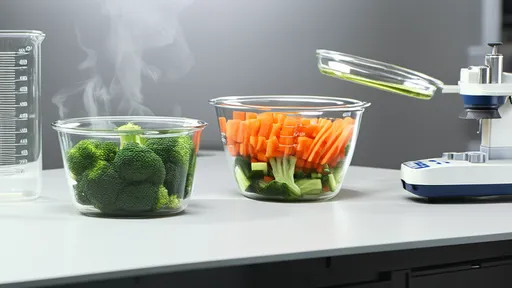
Steaming, often hailed as the gentlest of cooking methods, involves cooking food with the vapor produced from boiling water. This technique minimizes the leaching of water-soluble vitamins such as vitamin C and many B vitamins, which are highly susceptible to degradation when immersed in water. By avoiding direct contact with the cooking liquid, steaming helps preserve these delicate nutrients. Studies have consistently shown that vegetables like broccoli and spinach retain a significantly higher percentage of their vitamin content when steamed compared to boiling. The enclosed environment of a steamer also reduces exposure to oxygen, further protecting antioxidants and other heat-sensitive compounds. However, it is worth noting that some fat-soluble vitamins, like vitamin A and E, may not be as affected by water-based methods but can still experience some loss due to heat. The relatively low and consistent temperatures in steaming help mitigate this, making it a superior choice for overall vitamin retention.
Microwaving, despite sometimes being viewed with skepticism, is surprisingly effective at preserving nutrients, primarily due to its short cooking times. The microwave oven works by agitating water molecules within the food, generating heat from the inside out. This rapid heating process means that food is exposed to heat for a much shorter duration compared to conventional methods. For vitamins like vitamin C and thiamine, which are sensitive to both heat and time, this quick cooking can result in lower losses. Research comparing microwaving to boiling has demonstrated that microwaved vegetables often retain more of their water-soluble vitamins because less water is used, and cooking times are minimized. However, the uneven heating can sometimes create hot spots that may degrade nutrients in specific areas if not properly managed. Covering food with a microwave-safe lid can help create a steamy environment, combining the benefits of both steam and speed, thus enhancing nutrient preservation.
Stir-frying, a method that involves cooking food quickly in a small amount of oil over high heat, presents a more complex picture. The high temperatures can lead to significant degradation of heat-sensitive vitamins such as vitamin C and folate. However, the brevity of the cooking process can help counterbalance some of these losses. The use of oil in stir-frying can aid in the absorption of fat-soluble vitamins like vitamins A, D, E, and K, as these nutrients require fat for bioavailability. For instance, stir-frying carrots in oil can enhance the body's ability to absorb beta-carotene, a precursor to vitamin A. Yet, the exposure to high heat and oxygen can accelerate the oxidation of certain vitamins and antioxidants. The key to maximizing nutrient retention in stir-frying lies in using minimal cooking time, high-quality oils with high smoke points, and incorporating a variety of vegetables to ensure a diverse nutrient profile. While it may not preserve water-soluble vitamins as well as steaming or microwaving, it offers complementary benefits for fat-soluble nutrients.
When comparing these methods, it becomes clear that no single technique is universally superior; rather, the optimal choice depends on the specific nutrients one aims to preserve and the type of food being prepared. For water-soluble vitamins, steaming and microwaving generally outperform stir-frying due to reduced exposure to heat and water. For fat-soluble vitamins, stir-frying with a healthy oil can enhance absorption, albeit with some trade-offs in heat sensitivity. The overall cooking duration, temperature control, and amount of cooking medium used are critical factors that influence vitamin retention. Additionally, the physical state of the food—such as whether it is chopped or whole—can affect nutrient loss, as smaller pieces have more surface area exposed to heat and water.
Beyond the cooking method itself, other practices can further optimize nutrient preservation. Using fresh, high-quality produce is foundational, as vitamins can degrade over time even before cooking. Minimizing the amount of water used in cooking, when applicable, reduces the leaching of water-soluble vitamins. For methods like stir-frying, using oils stable at high heat, such as avocado or peanut oil, can prevent the formation of harmful compounds that might not only affect health but also degrade nutrients. Combining cooking methods, such as lightly steaming vegetables before a quick stir-fry, can also help balance nutrient retention with culinary appeal.
In conclusion, the journey to nutrient-dense meals is multifaceted, involving thoughtful selection of cooking techniques tailored to the ingredients and desired nutritional outcomes. Steaming excels in preserving water-soluble vitamins through gentle heat and minimal water contact. Microwaving offers efficiency and speed, reducing nutrient loss by shortening cooking times. Stir-frying, while more aggressive, supports the absorption of fat-soluble vitamins and adds culinary diversity. By understanding the scientific principles behind these methods, home cooks and health enthusiasts can make informed decisions that enhance both the health benefits and enjoyment of their food. Embracing a variety of cooking techniques, rather than relying on a single method, may ultimately be the most effective strategy for a nutrient-rich diet.
By /Aug 29, 2025
By /Aug 29, 2025

By /Aug 29, 2025
By /Aug 29, 2025
By /Aug 29, 2025
By /Aug 29, 2025
By /Aug 29, 2025

By /Aug 29, 2025

By /Aug 29, 2025
By /Aug 29, 2025
By /Aug 29, 2025

By /Aug 29, 2025

By /Aug 29, 2025
By /Aug 29, 2025

By /Aug 29, 2025

By /Aug 29, 2025

By /Aug 29, 2025
By /Aug 29, 2025

By /Aug 29, 2025

By /Aug 29, 2025